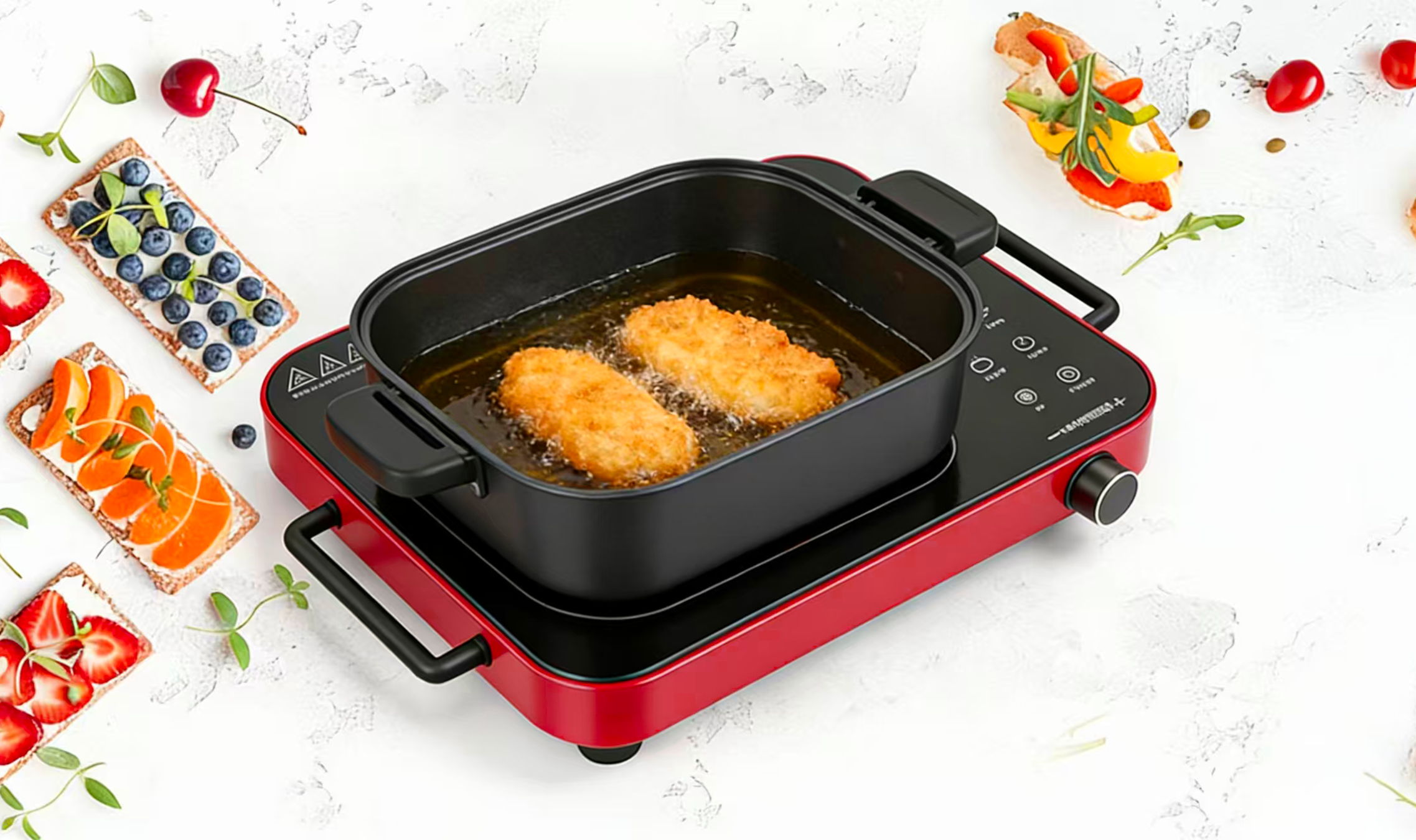
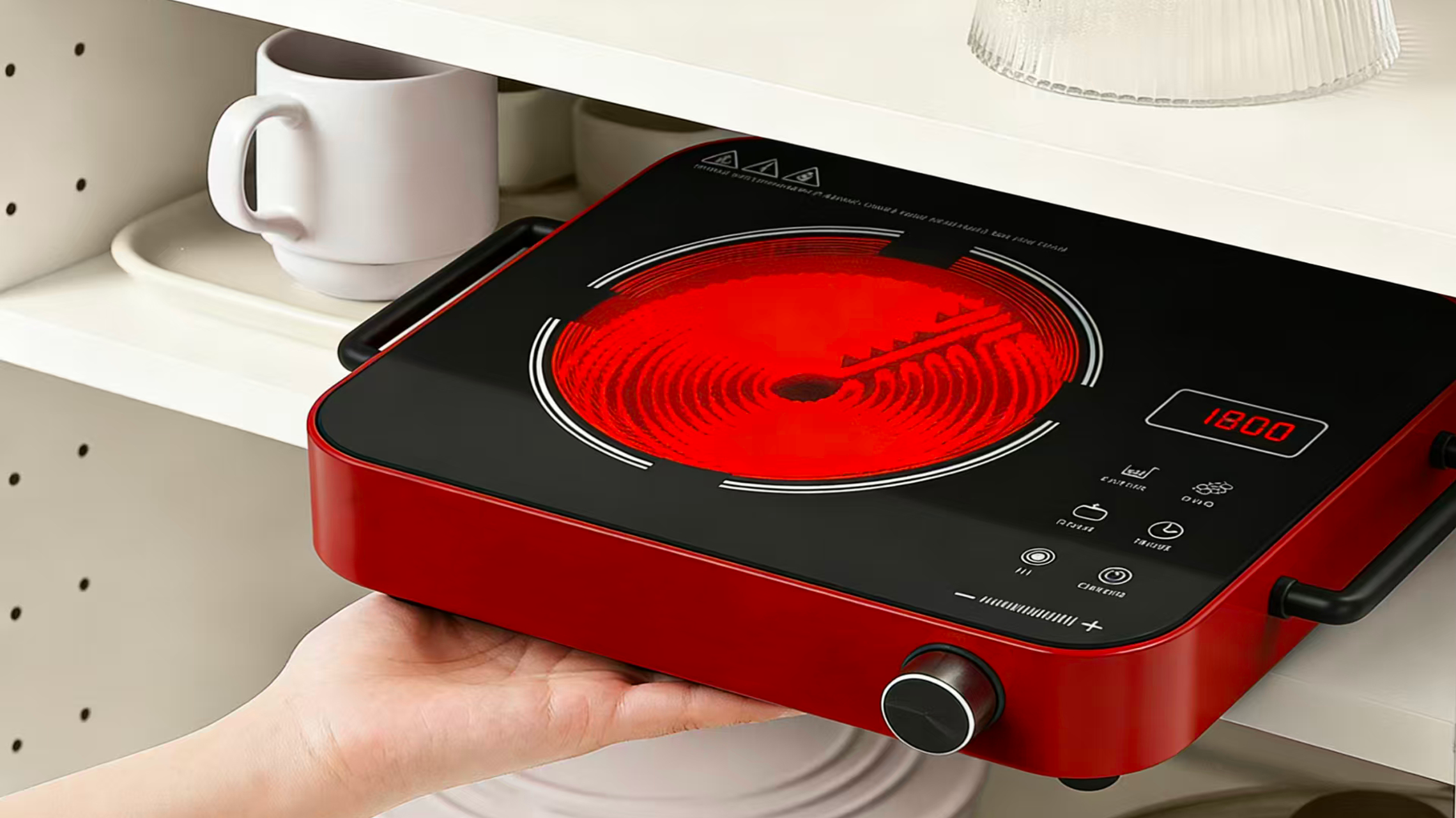
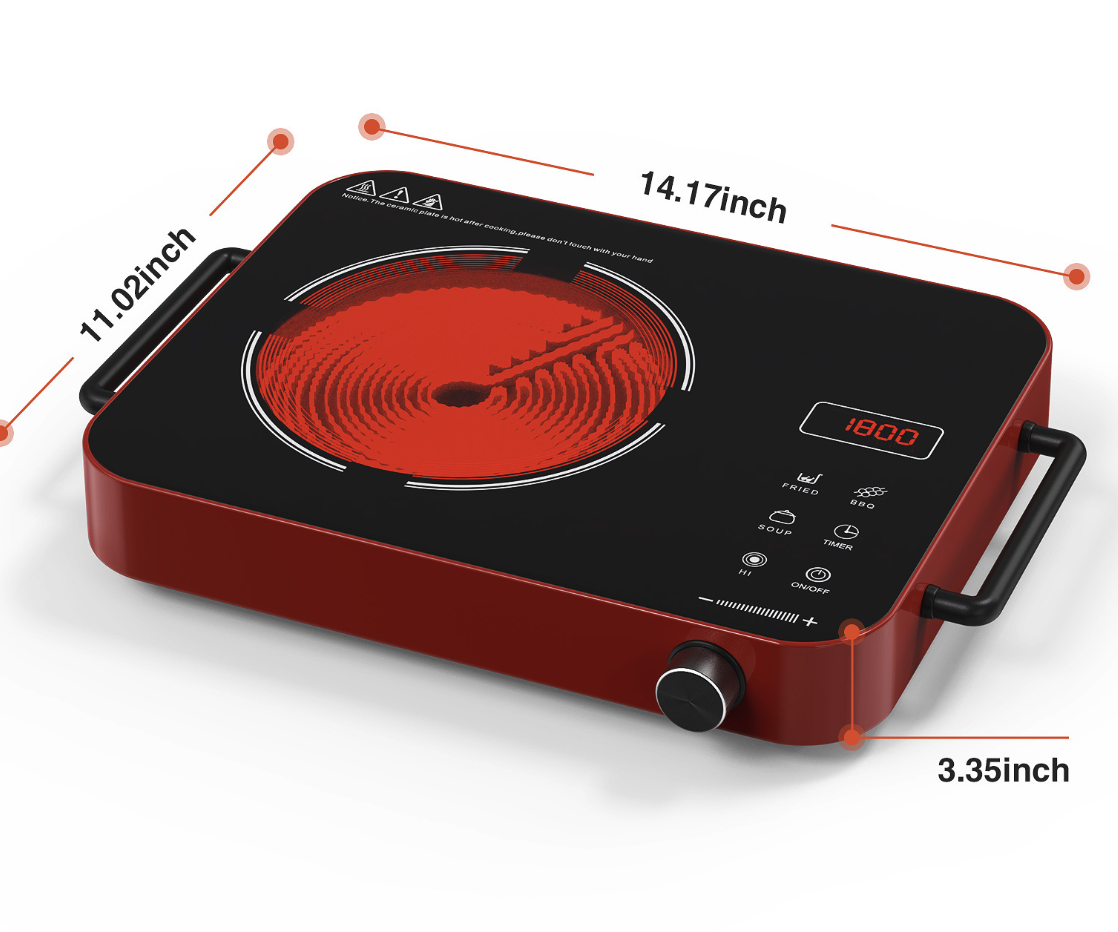
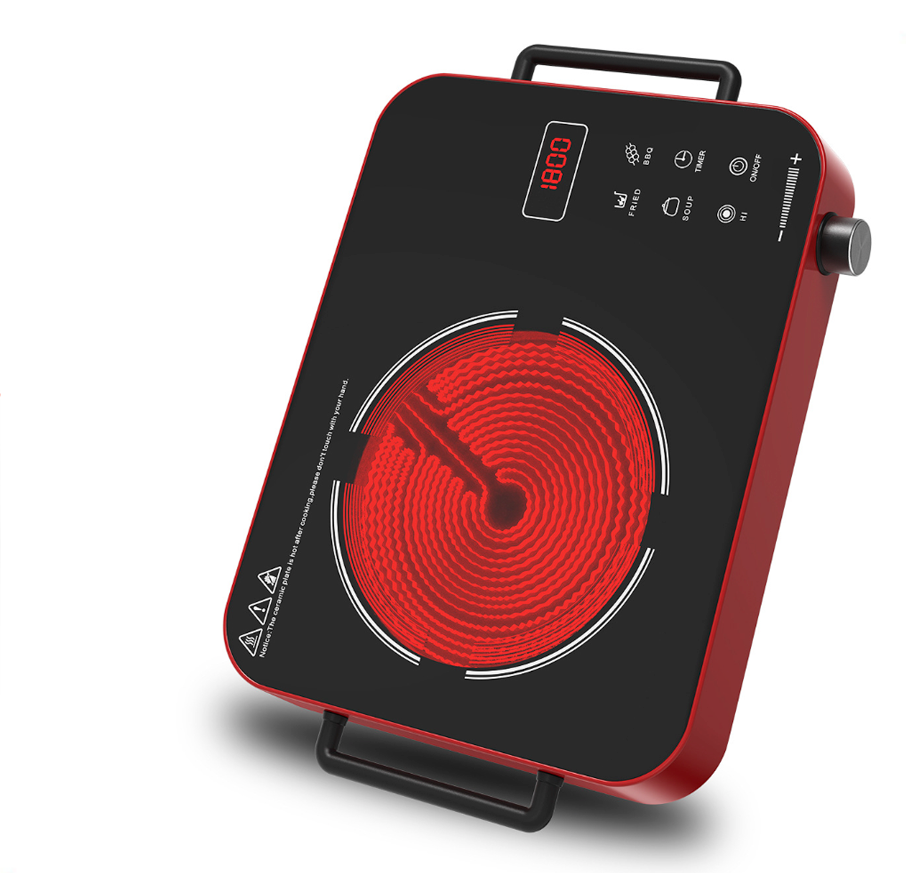
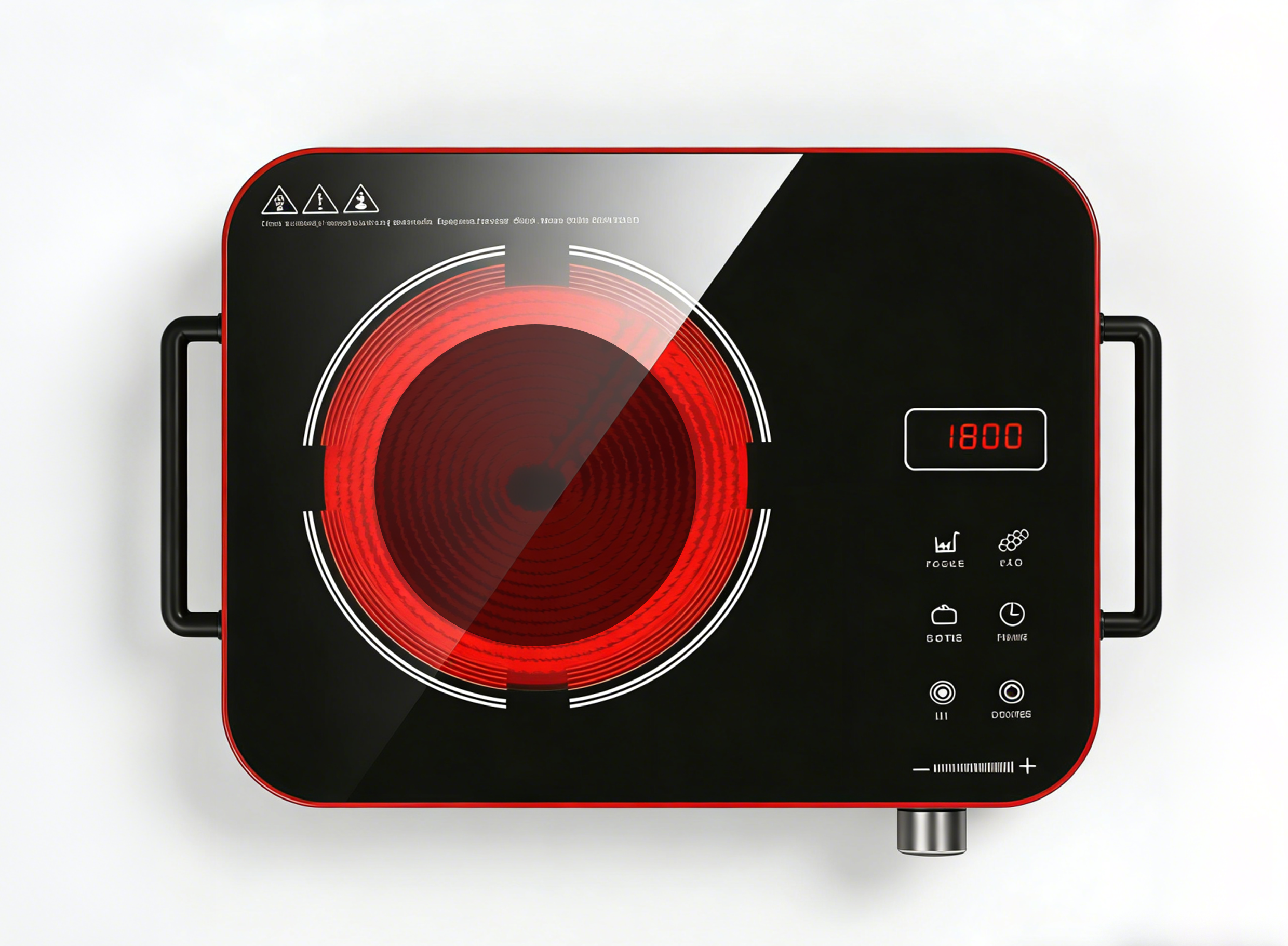
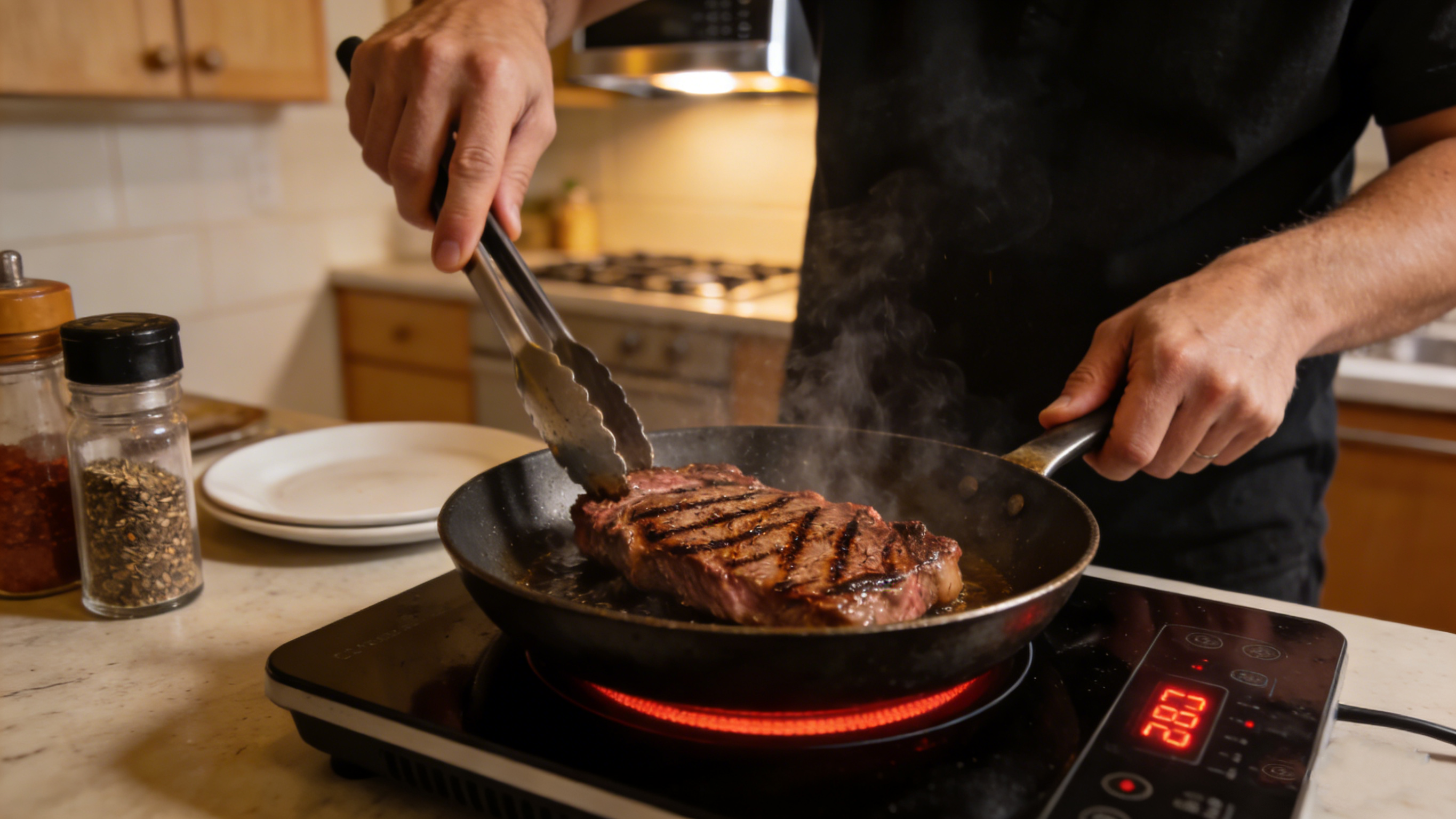
Many people are curious when they first use an induction cooker: There's no flame and no heating wire, so why does the cookware heat up by itself? Behind this phenomenon lies a perfect combination of electromagnetic induction and eddy current heating effects.
Energy conversion: The induction cooker converts the household 220V industrial frequency alternating current into a high-frequency alternating current of 20-40kHz.
Magnetic field generation: The high-frequency current passes through the internal coil, generating a high-frequency alternating magnetic field.
Eddy current generation: When a ferrous metal pot is placed on the ceramic surface, the alternating magnetic field penetrates the bottom of the pot, inducing countless small eddy currents in the pot base.
Heat generation: As the eddy currents flow through the metal, they encounter electrical resistance, generating a large amount of heat. This achieves the effect of "the pot heating itself."
Simply put, an induction cooker doesn't "heat the cookware" like a gas stove does; instead, it makes the cookware generate heat on its own. This heating method is direct and efficient, achieving a thermal efficiency of 85%-90%, far exceeding the approximately 50% efficiency of traditional gas stoves.
Fun fact: Why can't aluminum pots or ceramic pots be used? Because they are non-magnetic and cannot generate eddy currents. Only ferromagnetic materials (such as iron pots or stainless steel pots) can be recognized and heated by an induction cooker.
Many people are curious when they first use an induction cooker: There's no flame and no heating wire, so why does the cookware heat up by itself? Behind this phenomenon lies a perfect combination of electromagnetic induction and eddy current heating effects.
Energy conversion: The induction cooker converts the household 220V industrial frequency alternating current into a high-frequency alternating current of 20-40kHz.
Magnetic field generation: The high-frequency current passes through the internal coil, generating a high-frequency alternating magnetic field.
Eddy current generation: When a ferrous metal pot is placed on the ceramic surface, the alternating magnetic field penetrates the bottom of the pot, inducing countless small eddy currents in the pot base.
Heat generation: As the eddy currents flow through the metal, they encounter electrical resistance, generating a large amount of heat. This achieves the effect of "the pot heating itself."
Simply put, an induction cooker doesn't "heat the cookware" like a gas stove does; instead, it makes the cookware generate heat on its own. This heating method is direct and efficient, achieving a thermal efficiency of 85%-90%, far exceeding the approximately 50% efficiency of traditional gas stoves.
Fun fact: Why can't aluminum pots or ceramic pots be used? Because they are non-magnetic and cannot generate eddy currents. Only ferromagnetic materials (such as iron pots or stainless steel pots) can be recognized and heated by an induction cooker.